Views: 0 Author: Boosin Printing Publish Time: 2026-08-16 Origin: Boosin Printing
Quick answer: Felt stickers are usually the better choice when a kids product needs a soft textile touch, quiet-book interaction or hook-and-loop use. EVA foam stickers are usually better when a craft kit needs lightweight, colorful, self-adhesive shapes with a more dimensional look. The correct material depends on the activity, target age group, artwork, backing method, retail pack and destination-market requirements.
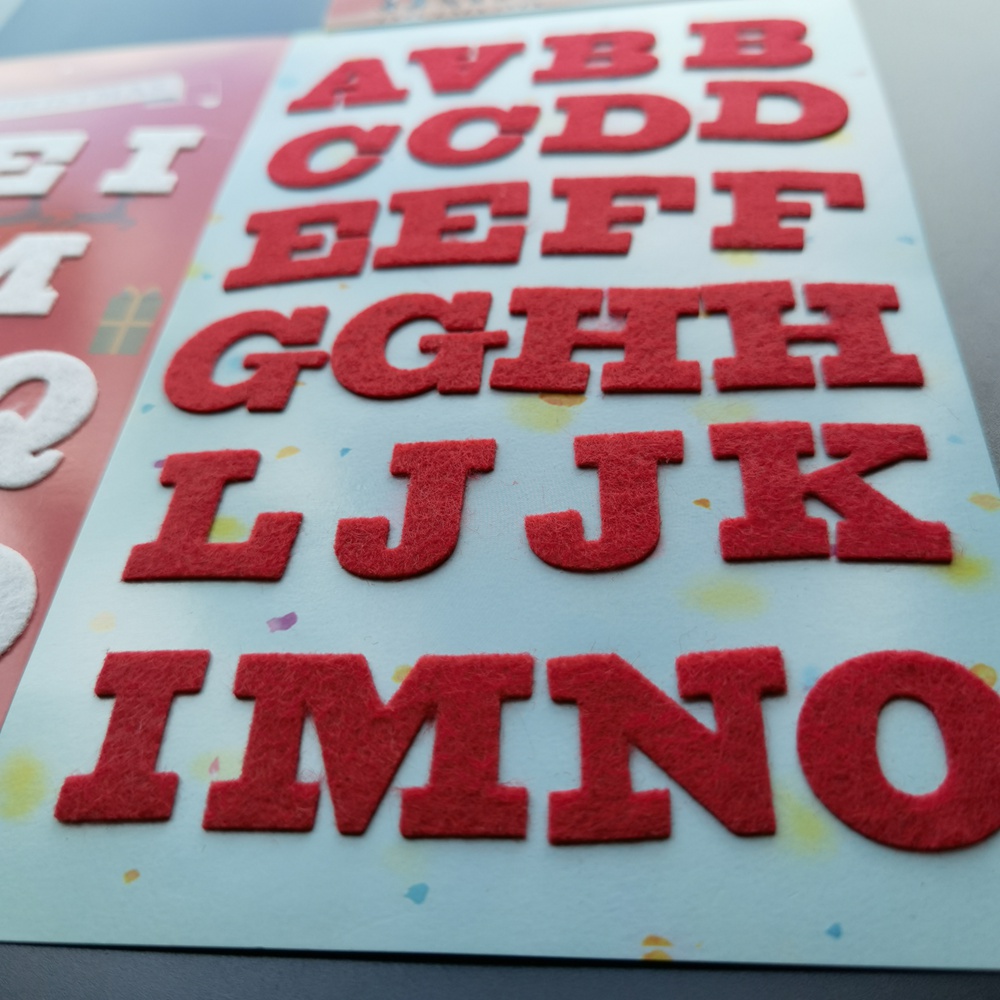
Custom felt pieces can be planned for quiet books, felt boards and preschool learning sets.
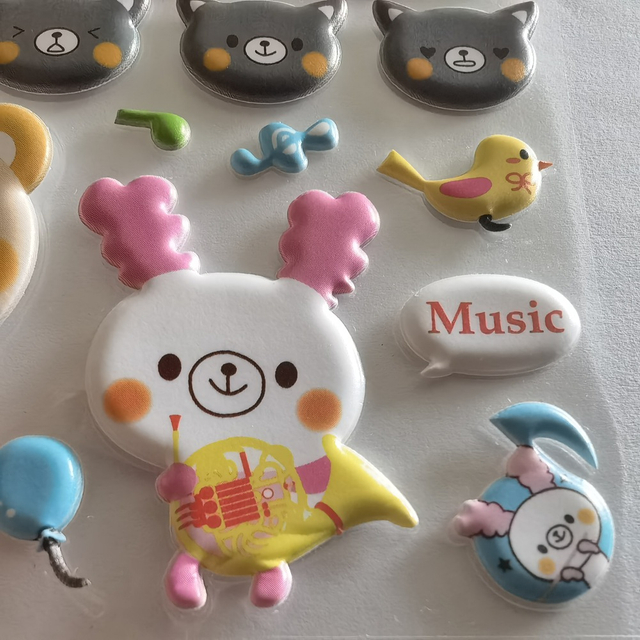
EVA foam shapes are useful for colorful craft packs, classroom activities and party kits.
Buyer Decision | Felt Stickers | EVA Foam Stickers |
|---|---|---|
Typical feel | Soft, textile and tactile | Lightweight, springy and dimensional |
Common applications | Quiet books, felt boards, preschool learning sets and fabric craft kits | Self-adhesive craft packs, classroom projects, party kits and layered decorations |
Backing options | Adhesive or hook-and-loop structure, depending on the activity | Self-adhesive backing with release liner is common |
Visual treatment | Cut color felt, printed fabric or decorative details | Plain color, printed, glitter or layered foam |
Packaging priority | Keep sets organized and protect textile pieces from dust | Keep sheets flat and protect shapes from bending |
Custom felt stickers work well when the tactile surface is part of the product experience. A felt-board activity, matching game or quiet book may use cut felt or textile fabric pieces with adhesive or hook-and-loop backing. Buyers should define whether each piece is permanent, removable or repeatedly repositioned because this changes the backing structure and sample test.
Felt is also useful when a brand wants a warm textile appearance rather than a glossy printed surface. The factory brief should identify the felt color, thickness preference, cutting outline, printed or decorative details, piece count and storage method. Small pieces, narrow corners and detailed shapes should be reviewed at sample stage to confirm clean cutting and practical handling.
EVA foam stickers are a practical option for classroom crafts, party activities, seasonal kits, letter and number sets, and mixed-shape retail packs. Buyers can compare plain color foam, printed foam, glitter foam and layered designs. Foam thickness affects the visual depth, touch feel, packing volume and cost, so it should be stated in the quotation request instead of being left open.
For self-adhesive EVA foam stickers, sample checks should cover release-liner peeling, adhesive coverage, edge quality and whether the shape remains flat after packing. When a kit includes many colors or designs, provide a component list showing the quantity of every shape so the factory can calculate material usage and packing accurately.
Both materials can support custom shapes, but artwork must match the production structure. Vector artwork with a separate cutting path helps the factory review narrow gaps, small internal details and safe edge spacing. For printed felt or printed EVA, buyers should confirm how the artwork will appear on the selected surface because color and fine details can look different from coated paper or standard vinyl.
Provide AI, PDF or another clear production file when available.
Mark the finished size and cutting line for every piece.
List the number of colors, designs and pieces in each retail pack.
Identify adhesive, hook-and-loop or non-adhesive backing.
Include the age group, destination market and any required test standard in the project brief.
Simple sticker sheets may use an OPP bag with a backing card or header card. Larger felt learning sets often need a zipper bag, color box or organized kit structure so pieces do not become mixed during transport and retail handling. EVA foam sheets should stay flat inside the package to reduce bent corners and compressed shapes.
Private-label buyers should prepare the barcode, warning text, age-grade information, language requirements and carton marks with the product artwork. Packaging should be approved in the same sample round as the stickers because the piece count and pack size directly affect the final box or bag dimensions.
MOQ is influenced by material, thickness, color count, number of designs, cutting complexity, backing method and packaging. A mixed craft kit normally needs more preparation than one repeated sticker shape. Boosin reviews custom projects after receiving artwork or reference images, size, quantity, pack structure and destination-market details.
Before mass production, approve a sample for material feel, color, cutting accuracy, backing performance, piece count and packaging. For children products, the buyer should state the applicable market and requested testing before sampling. Requirements can differ by product design, age group and destination, so they should not be assumed from a generic product name.
Choose felt when the product depends on a textile touch, quiet-book interaction, felt-board play or hook-and-loop repositioning. Choose EVA foam when the product needs lightweight self-adhesive shapes, bright colors, dimensional craft effects or efficient mixed-sheet packing. For a new product line, sampling both structures with the same artwork can make the decision easier because buyers can compare touch, visual effect, packing size and target cost side by side.
Felt is usually the stronger starting option for quiet books and felt-board activities because it provides a textile touch and can be planned with hook-and-loop or other removable structures. The final backing should be confirmed during sampling.
Yes, printed structures can be reviewed for both materials. Buyers should approve a physical sample because surface texture can affect color and fine artwork differently from paper or vinyl.
Yes. A mixed kit can combine felt pieces, EVA foam shapes, printed cards and packaging. Provide a complete component list so material, packing and assembly can be quoted correctly.
Send artwork or reference images, finished size, material preference, thickness if known, design count, quantity, backing method, pieces per pack, packaging style, destination market and required delivery schedule.
Check material feel, color, cutting edges, adhesive or hook-and-loop performance, piece count, package fit and carton protection. Keep an approved sample as the reference for mass production.
State the target market, age group and required standard before sampling. The product structure and packaging should then be reviewed against the buyer's requested test plan.
Send your artwork, target age group, product size, quantity and retail packaging idea through the Boosin inquiry page. Boosin Printing is based in Shenzhen, Guangdong, China and supports OEM/ODM projects for B2B importers, education brands, craft-kit buyers and distributors. Buyers can also review the Boosin official Made-in-China store for additional company and product reference.